From Spreadsheets to Smarter Workflows: A Digital Transformation Guide for SMEs

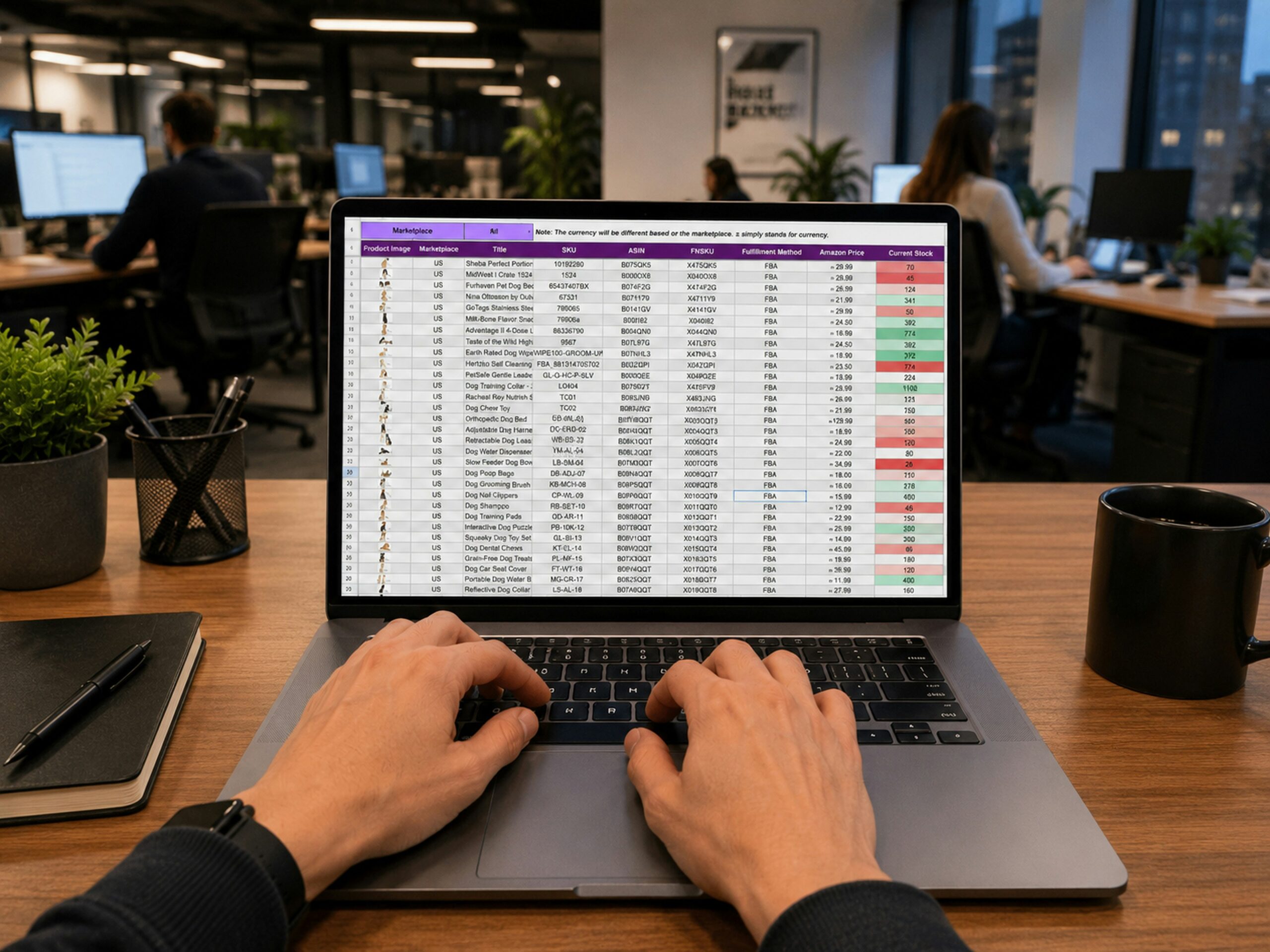
Spreadsheets are flexible and familiar, which makes them useful for small teams and straightforward processes. Problems can emerge, however, when a growing company relies on multiple spreadsheets to manage projects, workloads, approvals, deadlines, and reporting. Information may become duplicated, outdated, or difficult to locate. Managers can also spend considerable time manually collecting information before they can understand the current status of projects and resources.

Moving toward structured digital workflows begins with understanding existing processes. Businesses should identify how work enters the organisation, how tasks are assigned, where approvals are required, what information needs to be recorded, and how performance is monitored. Once these processes are understood, an appropriate project management platform can be configured with templates, workflows, responsibilities, milestones, dashboards, and resource-planning structures that reflect how the organisation actually works.

The transition should be approached as an operational improvement project rather than simply a software installation. Employees need to understand the new workflows and receive sufficient training to use them confidently. Businesses should also review the system after implementation and adjust areas that create unnecessary complexity. A gradual and structured transition can help SMEs move away from fragmented information while creating greater visibility, consistency, and control over everyday operations.